What you’ll discover
- How coronal mass ejections reach Earth
- Why long conductors pick up geomagnetic current
- What a modern repeat could affect
Show notes
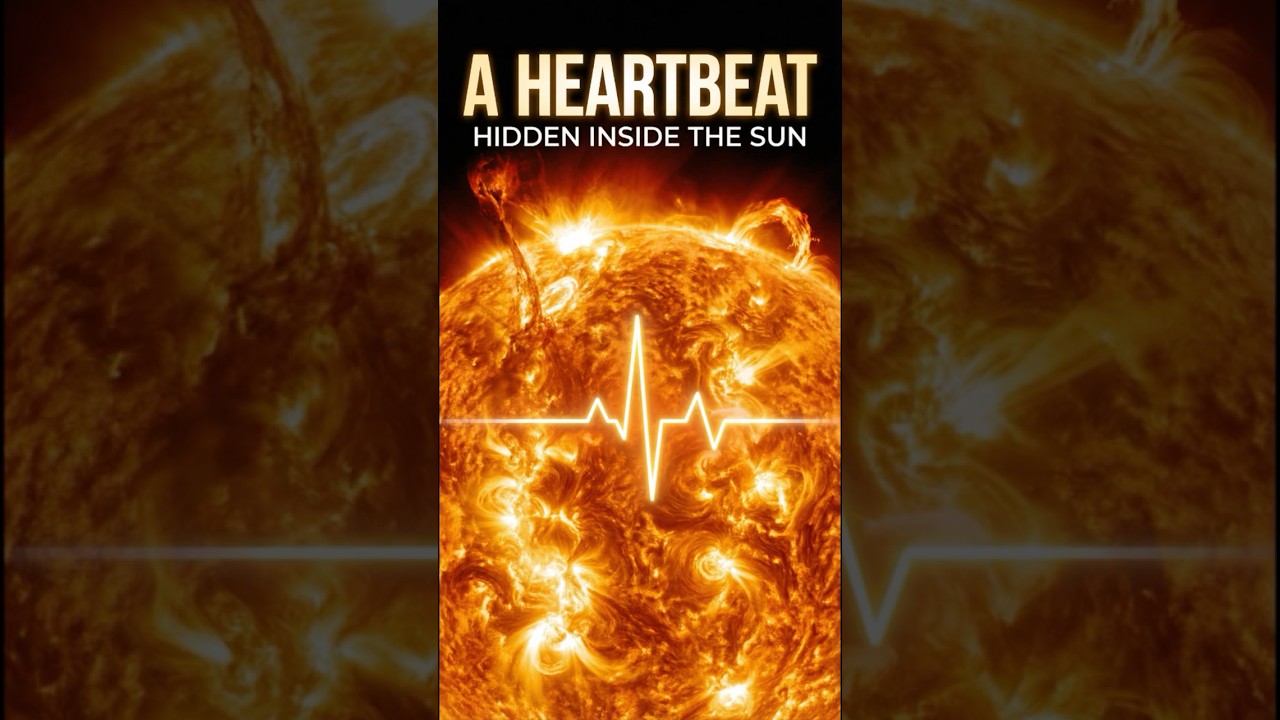
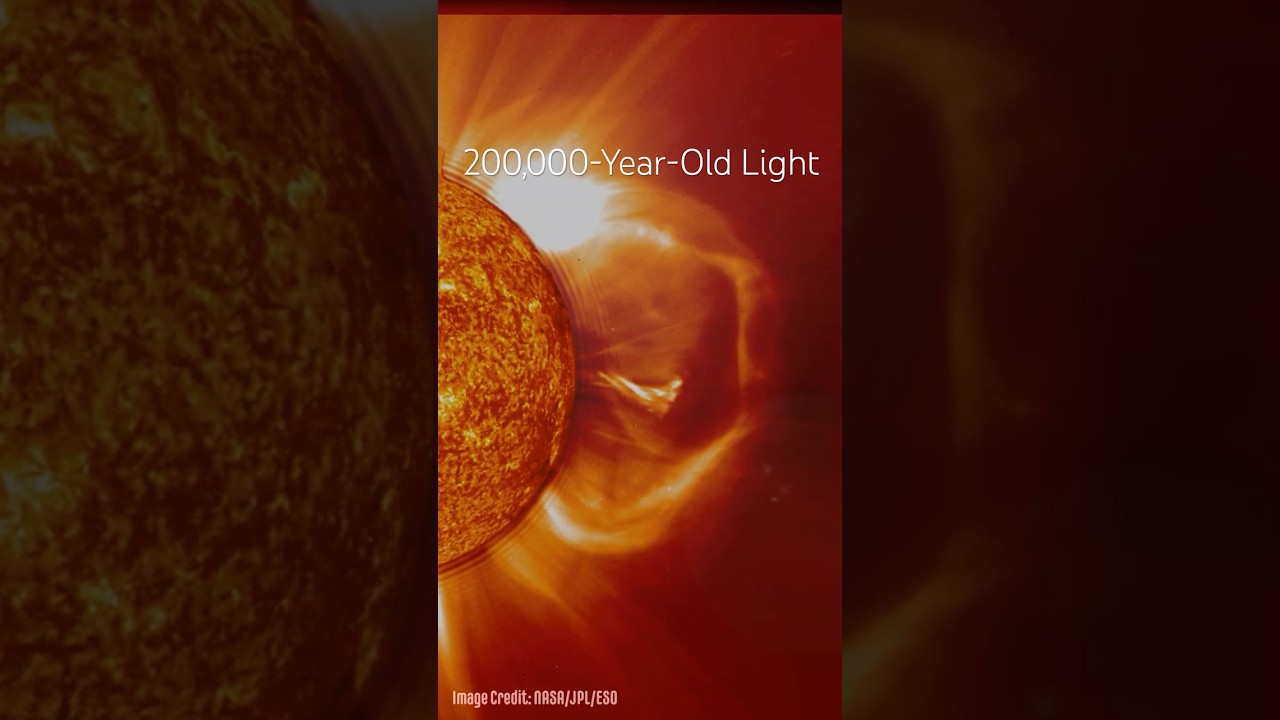
A coronal mass ejection can carry magnetized plasma across interplanetary space. If its magnetic orientation couples strongly with Earth’s field, energy enters the magnetosphere and drives currents through the ground.
Long conductors can become unintended circuits. Telegraph lines made that visible in 1859; modern power grids make the same physics more consequential, though impacts depend on storm geometry and grid design.
Key facts and named entities
- Event: Carrington, September 1859
- Driver: extreme geomagnetic storm
- Historic network: telegraph lines
- Modern risk: grids, satellites, radio
Chapters and key moments
Sources and further reading
- NOAA Space Weather Prediction CenterPrimary or mission source
- NASA: severe space weatherPrimary or mission source
Take it outside
Download the field-source checklist
A plain-text checklist for checking dates, locations, claims, image rights, and primary sources before an observing session or science post.
Gear used or relevant
This companion makes no product recommendation. The story is fully usable with the video and primary sources above. Commercial gear will appear only when it solves a practical observing problem and Rick’s first-hand status is documented.
Some links on StarPixels may be affiliate links. If you buy through an active affiliate link, StarPixels may earn a commission at no additional cost to you. This page contains no active affiliate product links.